Retro Card: A Handwritten Serif Font for Warm Branding
There’s a certain charm to handwritten fonts. They bring a human touch, a sense of personality, and a feeling of authenticity that can elevate a brand from generic to memorable. I recently had the chance to test Retro Card in a real branding project for a local café looking to refresh its visual identity. The font immediately caught my eye—not just for its aesthetic appeal, but for its versatility and emotional resonance.
A Warm and Inviting Personality
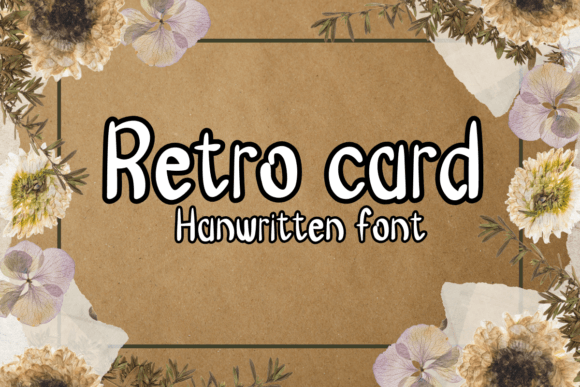
Retro Card is a serif font with a distinct handwritten feel. It has that nostalgic, slightly imperfect quality that feels like it was scribbled by hand on a napkin. The serifs are soft and rounded, giving it a friendly and approachable vibe. It’s not overly ornate or decorative, which makes it surprisingly readable even at smaller sizes. This balance between character and clarity is what makes it stand out in a market flooded with trendy, often unreadable typefaces.
I used Retro Card as the primary text font for the café’s new logo. The result was a design that felt both modern and timeless. It brought warmth to the brand without being too whimsical, making it ideal for a place that wants to feel cozy and welcoming.
Testing in Real Design Scenarios
To get a better sense of how Retro Card performs in different contexts, I tested it across several design assets. Here’s what I found:
- Logo Design: Used as the main text in the café’s logo, it added a personal touch while maintaining professionalism.
- Brand Board: On the brand board, it worked well alongside a sans-serif display font for contrast and hierarchy.
- Packaging Mockup: Applied to a coffee label, it gave the packaging a handmade feel that aligned with the café’s rustic aesthetic.
- Social Media Graphics: In Instagram posts and Facebook banners, it helped create a cohesive visual language that felt authentic.
- Business Cards: Printed on matte paper, it maintained its charm without losing legibility.
- Website Headers: Used in the hero section of the café’s website, it made the site feel more inviting and less corporate.
One thing I noticed early on was that Retro Card works best when paired with a clean, modern sans-serif font. This combination allows the serif font to take center stage while ensuring the overall design remains balanced and professional.
When to Use and When Not to Use Retro Card
Retro Card is a great choice for projects that require a warm, personal tone. It shines in branding for creative studios, boutique shops, and artisanal products. However, it’s not always the best fit for every situation.
If you’re designing something that requires high readability—like long body text or small print—you might want to use Retro Card sparingly. It can become difficult to read at very small sizes, especially in digital formats. That said, it works beautifully for short phrases, headlines, and decorative elements.
For formal corporate settings or highly technical content, Retro Card might come off as too casual. But for brands that want to convey warmth, creativity, and individuality, it’s an excellent choice.
Practical Tips for Using Retro Card
Before using Retro Card in client work, I recommend testing it in various sizes and contexts. Print a few samples and see how it looks in different lighting conditions. Also, consider how it interacts with other fonts in your design system.
When pairing Retro Card with other fonts, keep the following in mind:
- Pair with a sans-serif: For contrast and balance.
- Pair with a script font: For a more elegant, decorative look.
- Use it as an accent font: To add personality without overwhelming the design.
Also, check the font’s licensing terms carefully. Since Retro Card is a commercial font, ensure that you have the proper rights to use it in print-on-demand products, websites, and branded merchandise.
A Font That Feels Like a Conversation
Design is about communication, and Retro Card communicates with warmth and sincerity. It’s a font that feels like it was written by a friend, not a machine. Whether you’re creating a greeting card, a social media post, or a brand identity system, Retro Card brings a unique personality that can make your designs stand out.
It’s not just a font—it’s a storytelling tool. And in a world where branding is all about connection, that’s a powerful asset.